
How to Choose the Right T Shirt Printers for Your Australian Business or School
Discover how to find the best t shirt printers in Australia for businesses, schools, and events. Tips on methods, MOQs, costs, and quality.

Written by
Mason Park
Custom Apparel
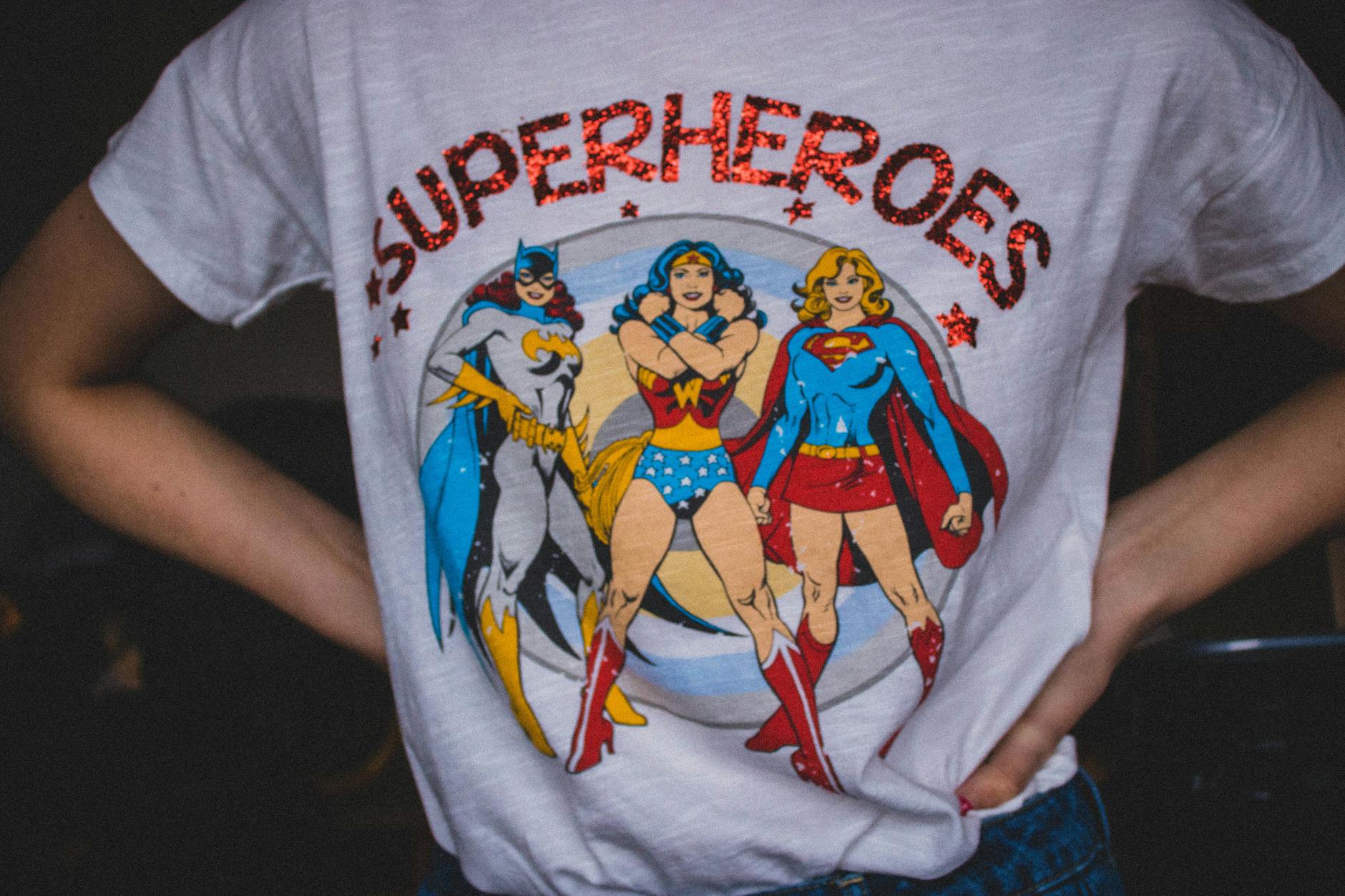
Getting custom t-shirts printed sounds straightforward — until you’re knee-deep in decoration method comparisons, MOQ requirements, artwork specifications, and supplier quotes that vary wildly in price and quality. Whether you’re a Sydney marketing manager sourcing branded polos for a corporate team, a Brisbane primary school coordinator organising sports day shirts, or a Melbourne event planner putting together uniforms for a major conference, choosing the right t shirt printers can make or break your project. This guide breaks down everything you need to know before placing your order, so you get the result you’re after — on time, on budget, and looking great.
Why Choosing the Right T Shirt Printers Matters More Than You Think
There’s no shortage of t shirt printers across Australia. A quick search returns dozens of options, each claiming fast turnaround, great pricing, and outstanding quality. But the reality is that suppliers vary enormously in terms of the decoration methods they offer, the garments they stock, their minimum order quantities, and their ability to handle complex artwork or tight deadlines.
Choosing poorly can result in faded prints after just a few washes, colours that don’t match your brand guidelines, or shirts that arrive after your event has already wrapped up. On the other hand, working with the right printer — one who understands your application, audience, and budget — delivers a product you’ll be proud to hand out or wear.
This is also why many Australian businesses now treat custom apparel as a serious part of their promotional items with logo strategy, rather than a last-minute afterthought. A well-printed t-shirt worn by staff or handed to customers becomes a walking advertisement for your brand. Getting the quality right matters.
Understanding the Main Decoration Methods Used by T Shirt Printers
One of the first things to understand when approaching t shirt printers is that not all printing methods are equal — and different methods suit different applications. Here’s a practical overview of the most common techniques used in Australia.
Screen Printing
Screen printing is the industry workhorse for bulk t-shirt orders. Ink is pressed through a stencilled mesh screen directly onto the fabric, producing vibrant, long-lasting results. It’s cost-effective at higher volumes because setup costs are spread across larger quantities — typically 50 pieces or more.
Screen printing works best with solid, single or limited-colour designs. It’s ideal for sports clubs, school uniform runs, and corporate events where you need large quantities of a simple, consistent design. If you’re ordering 100 shirts for a company team-building day on the Gold Coast, screen printing is almost certainly your most economical option.
Direct-to-Garment (DTG) Printing
DTG printing uses specialised inkjet technology to print designs directly onto the fabric, much like a desktop printer. It handles full-colour, photographic, or highly detailed artwork beautifully, and there’s no setup fee or screen cost, making it suitable for smaller runs — even single items.
The trade-off is cost per unit at higher volumes. DTG is best for runs under 24 pieces, personalised designs, or situations where artwork complexity makes screen printing impractical.
Heat Transfer
Heat transfer involves printing your design onto a transfer film which is then heat-pressed onto the garment. It’s versatile across fabrics and great for smaller runs, names and numbers (think sporting jerseys), or designs with gradients and fine detail. For a deeper look at how this method performs for promotional applications, check out our quality guide to heat transfer for promotional products.
Sublimation
Sublimation printing produces stunning, all-over prints by infusing dye directly into the fabric. The results are exceptionally vibrant and won’t crack, peel, or fade. However, sublimation only works effectively on polyester fabrics, limiting its use for standard cotton tees. It’s popular for sportswear, performance apparel, and custom uniforms. If you’re based in New South Wales and want sublimated custom gear, it’s worth exploring sublimation services for promotional products in Sydney to understand what’s involved.
Embroidery
While not technically “printing,” embroidery is worth mentioning because many t shirt printers also offer it. Embroidery gives a premium, textured finish and is especially popular on polo shirts, caps, and workwear. It adds perceived value and durability — ideal for corporate uniforms where longevity matters.
Key Factors to Consider When Evaluating T Shirt Printers
With a handle on decoration methods, here’s what to assess when shortlisting suppliers.
Minimum Order Quantities (MOQs)
MOQs vary considerably between suppliers. Screen printers typically require a minimum of 25–50 pieces per design and colour combination. DTG suppliers often have no MOQ at all. Confirm MOQs upfront to avoid being forced into ordering more stock than you actually need — or paying a premium for a low-volume run with a screen printer.
For schools and small businesses, this is particularly important. A Canberra primary school ordering five custom teacher appreciation shirts has very different needs to a Perth mining company sourcing 500 hi-vis branded tees.
Turnaround Times
Standard production turnaround for t-shirt printing in Australia is typically 7–15 business days after artwork approval. Rush orders (2–5 business days) are available from many suppliers but come at a significant price premium.
Always confirm turnaround expectations in writing before committing to a supplier, especially if you have a hard deadline like a conference, sporting event, or product launch. A Melbourne conference organiser who assumes their shirts will arrive in time may be bitterly disappointed if the printer’s standard lead time falls outside the event window.
Artwork Requirements and Proof Approvals
Professional t shirt printers will request print-ready artwork — typically vector files (.ai, .eps, .pdf) for screen printing, or high-resolution raster files for DTG. If your logo is only available as a low-resolution JPEG, expect either a surcharge for artwork redraw or a poor print result.
Most reputable suppliers provide a digital proof for approval before production begins. Never skip this step. A proof gives you the opportunity to check colours, placement, sizing, and text accuracy before anything goes to press.
PMS Colour Matching
If your brand has specific Pantone (PMS) colour requirements, check whether your chosen printer can match them. Screen printers generally offer PMS matching for an additional fee. DTG and sublimation work in CMYK, so perfect Pantone matching isn’t always guaranteed — something worth considering for corporate clients with strict brand guidelines.
Budgeting for Custom T-Shirt Orders
Pricing for custom t-shirts varies depending on garment quality, decoration method, number of print colours, number of print locations, and order quantity. As a general guide for Australian market pricing:
- Basic screen-printed tees (100 units, 1 colour, 1 location): $12–$22 per unit
- DTG printed tees (12 units, full colour): $25–$45 per unit
- Sublimated performance tees (50 units): $30–$55 per unit
Remember to factor in setup fees (typically $30–$80 per colour for screen printing) and any artwork creation costs. Bulk pricing tiers mean the per-unit cost drops significantly as quantity increases — ordering 500 versus 50 shirts can halve your per-unit cost.
For organisations across the country looking to stretch their budget further, it’s worth comparing regional suppliers. For example, businesses in New South Wales can explore wholesale promotional products in Newcastle or promotional product suppliers near Bankstown in Sydney for locally-based options. Similarly, organisations in Queensland can look at promotional products for businesses in Noosa, while those further afield can consider promotional products in the Northern Territory.
Pairing T-Shirts With Other Branded Merchandise
Custom t-shirts rarely travel alone. Most successful branded merchandise campaigns combine apparel with complementary products to create a cohesive, memorable impression.
For a corporate event pack, t-shirts pair beautifully with branded tote bags — particularly a tote bag with zipper for a premium feel — or a reusable drinking bottle for a practical, eco-conscious touch. Tech accessories like promotional wireless chargers or a Pulse Charger for iPhone users add perceived value to event packs.
For outdoor or seasonal activations, consider combining custom tees with terry towelling hats or summer branded beach towels for coastal businesses. And for colder months, branded hoodies or jackets pair well with winter promotional products.
Rounding out your merchandise strategy with practical accessories like string lanyards or branded notebooks ensures attendees have a complete kit that reinforces your brand throughout an event or conference. For broader inspiration, our guide to top trending promotional products for corporate gifting covers what’s resonating with audiences right now in 2026.
Questions to Ask T Shirt Printers Before You Commit
Before placing an order with any supplier, ask these questions:
- What decoration methods do you offer, and which do you recommend for my artwork and quantity?
- What are your MOQs per design and per colour?
- Can you provide samples or a physical swatch of the garment before I commit?
- What is your standard turnaround time, and do you offer rush production?
- Do you provide a digital proof before printing?
- Can you match PMS colours, and is there a surcharge?
- What file formats do you require for artwork, and do you offer artwork assistance?
- Are your garments ethically sourced and do you stock sustainable options?
A reputable supplier will answer all of these clearly and confidently. Vague or evasive responses to any of these questions should prompt you to look elsewhere.
Conclusion: Finding the Right T Shirt Printers for Your Needs
Custom t-shirts remain one of the most versatile, visible, and cost-effective branded merchandise investments available to Australian businesses, schools, and organisations. But the quality of the final product depends enormously on the expertise and capabilities of the t shirt printers you choose to work with.
Here are the key takeaways to carry with you:
- Match the decoration method to your needs — screen printing for bulk runs, DTG for small or complex orders, sublimation for performance wear, embroidery for premium finishes.
- Confirm MOQs, turnaround times, and artwork requirements upfront to avoid surprises and missed deadlines.
- Budget carefully — factor in setup fees, garment quality, print locations, and volume pricing tiers to understand your true cost per unit.
- Request a proof before production begins — it’s the single most important step to ensuring colour accuracy, placement, and design integrity.
- Think beyond the t-shirt — pairing custom apparel with complementary products creates a more impactful, memorable branded experience for your audience.
Whether you’re running a corporate event in Adelaide, organising a school fundraiser in Hobart, or launching a new brand in Darwin, investing time in choosing the right t shirt printers will pay dividends in quality, consistency, and brand perception.