
How to Get Your Logo on Promotional Items That Actually Work
Learn how to put your logo on promotional items that deliver real results. Expert tips on products, decoration methods, and budgeting for Australian businesses.

Written by
Connor Dupont
Corporate Gifts
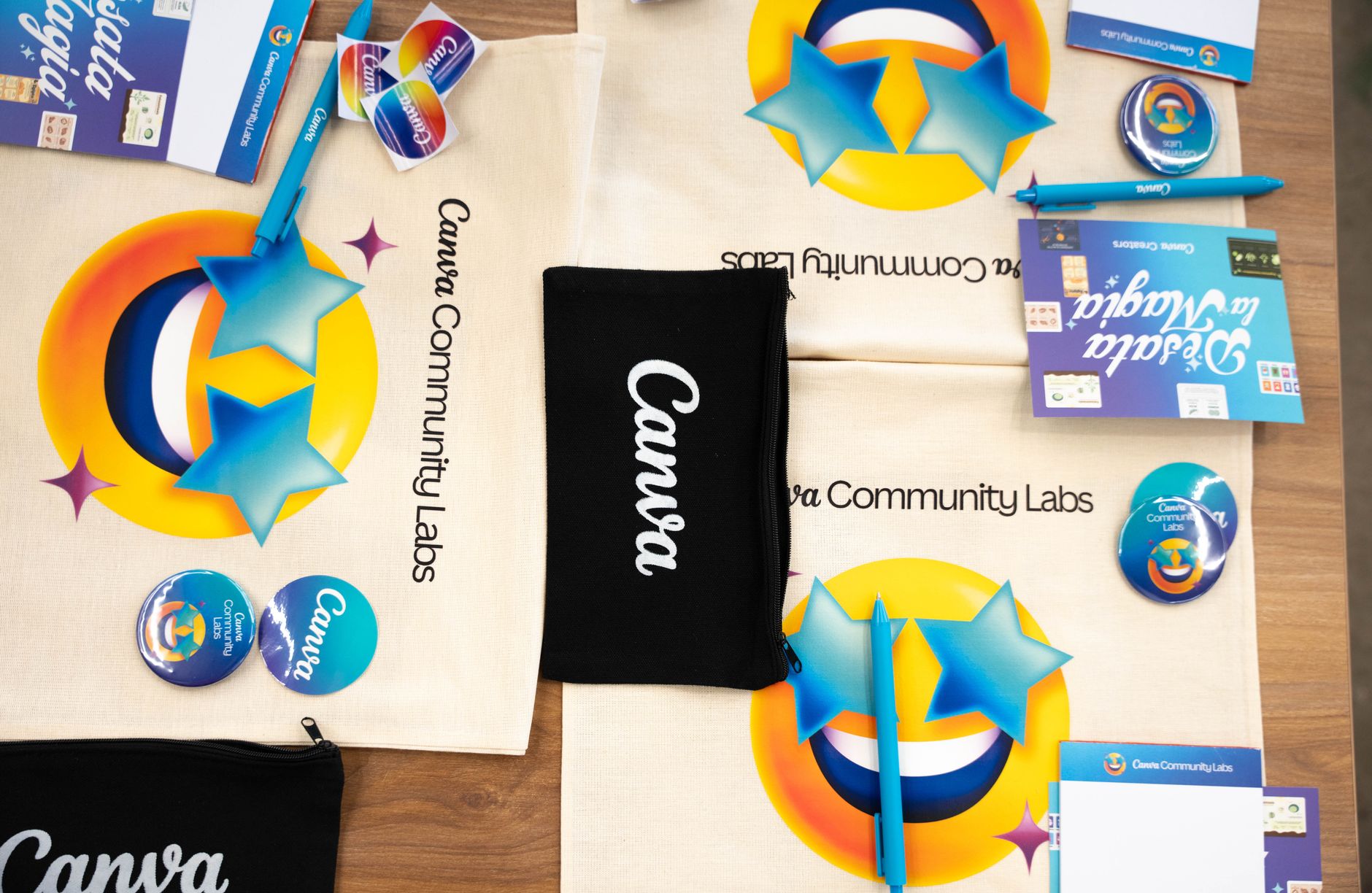
Getting your logo onto the right promotional items can be the difference between a branded giveaway that ends up in a drawer and one that stays in use for years. For Australian businesses, schools, and organisations investing in branded merchandise, the goal isn’t just visibility — it’s creating a genuine connection with your audience. Whether you’re a Sydney-based corporate preparing for a trade show, a Brisbane school planning a fundraiser, or a Melbourne council sourcing eco-friendly gifts for community events, understanding how promotional items with your logo actually work will help you spend your budget wisely and get results you can measure.
Why Promotional Items with Your Logo Are Still One of the Most Effective Marketing Tools
In an era of digital advertising and social media saturation, it might seem old-fashioned to invest in physical branded merchandise. But the research consistently tells a different story. People hold onto useful promotional products for months, even years, exposing your brand to their colleagues, friends, and family every single day. A well-chosen item with your logo becomes a walking billboard — one that people actively choose to carry.
The key word there is “useful.” The organisations that see the best return from branded merchandise are the ones that match the product to the audience. There’s no point ordering 500 branded stress balls for a demographic that wants sustainable, practical items. Getting this right starts with understanding your audience and working backwards to the product.
If you’re just getting started with promotional merchandise, our guide to top trending promotional products for corporate gifting is a great place to build your foundational knowledge before diving into decoration specifics.
Choosing the Right Products to Carry Your Logo
Not every product is equally suited to logo application. The best promotional items for logo placement share a few common traits: they have sufficient flat or curved surface area for decoration, they’re made from materials that accept ink, embroidery, or engraving well, and they’re items your target audience will actually use.
Apparel and Wearables
Branded clothing remains one of the most powerful categories in promotional merchandise. T-shirts, polo shirts, hoodies, caps, and hi-vis workwear all offer generous logo placement areas and daily visibility. Screen printing is the most cost-effective method for high-volume orders, while embroidery gives a premium, textured finish that’s particularly effective on caps, polos, and corporate workwear.
For industries like construction, manufacturing, and logistics, branded safety gear doubles as both workwear and marketing. Our guide to promotional hi-vis vests for manufacturing plants covers the specific considerations for logo placement on safety garments, including colour contrast requirements and approved decoration zones.
Schools and sporting clubs often favour apparel for fundraising and events. A Gold Coast primary school running a sports carnival, for instance, might order 200 custom t-shirts in house colours with the school crest embroidered on the chest — a lasting keepsake for students and a visible advertisement every time those shirts are worn outside school grounds. For more on how apparel printing works, take a look at our overview of t-shirt printers in Australia.
Bags and Totes
Bags are one of the highest-retention promotional items available. People use them every day, in supermarkets, at the gym, at the office, and at events. Tote bags, backpacks, cooler bags, and zippered carry-alls all provide excellent logo real estate.
Jute and canvas totes are a particularly smart choice for eco-conscious organisations. A Hobart-based environmental charity, for example, might distribute promotional jute bags at community markets, with their logo screen printed prominently on the front. For more structured carry options, a tote bag with zipper offers a more premium feel that suits corporate gifting contexts.
Drinkware
Branded drinkware — keep cups, insulated water bottles, mugs, and travel tumblers — is consistently one of the top-performing categories for logo retention. People use drinkware multiple times a day, which means your logo gets seen repeatedly in offices, kitchens, gyms, and cafés. Laser engraving on stainless steel or aluminium creates a sleek, permanent mark that won’t peel or fade. Pad printing and sublimation are popular for colour logo applications on ceramic mugs and plastic bottles.
Tech Accessories
Branded tech products punch above their weight in perceived value. Power banks, wireless chargers, USB drives, and phone accessories feel premium even when purchased in bulk, and recipients tend to keep and use them for extended periods. A Perth accounting firm ordering promotional wireless chargers for a client appreciation campaign, for instance, creates a desk item that keeps the brand visible every working day. The pulse charger for iPhone is another practical option worth considering for tech-savvy audiences.
Seasonal and Outdoor Items
Don’t overlook seasonally relevant items — they drive higher usage rates because they meet an immediate need. Coastal businesses in Queensland or New South Wales, for instance, see strong results from branded beach towels distributed over summer. Our guide to summer branded beach towels for coastal businesses explains how to make the most of this category, and if you’re in Brisbane specifically, our post on promotional beach towels in Brisbane covers local ordering considerations. Similarly, terry towelling hats are a classic Australian promotional product that pairs beautifully with outdoor events and summer brand activations.
For Perth-based organisations planning ahead, our post on winter promotional products in Perth demonstrates that seasonal gifting works year-round — you just need to match the product to the time of year.
Understanding Decoration Methods for Your Promotional Items Logo
Choosing how your logo is applied to a product matters as much as the product itself. Different decoration methods suit different materials, order sizes, and design complexities.
Screen Printing
Screen printing is the workhorse of the promotional products industry. It’s cost-effective at volume, produces vibrant colours, and works well on flat surfaces like t-shirts, tote bags, and posters. Ideal for logos with solid colours — gradients and photographic images require additional screens and cost more.
Embroidery
Embroidery uses thread to stitch your logo directly into fabric. It creates a textured, premium look that’s especially popular for caps, polo shirts, and corporate workwear. Minimum order quantities for embroidered items are typically lower than screen printing, making it viable for small batches. There is a setup cost for digitising your artwork file.
Sublimation
Sublimation printing transfers dye directly into polyester-based materials using heat, creating full-colour, edge-to-edge designs that won’t crack, peel, or fade. It’s ideal for custom sportswear, all-over print apparel, and drinkware with complex multicolour logos. Our detailed guide to sublimation services for promotional products in Sydney is essential reading if you’re considering this method.
Heat Transfer
Heat transfer printing applies a pre-printed design to a surface using heat and pressure. It’s versatile and works on a wide range of fabrics and hard goods. Our quality guide to heat transfer for promotional products covers durability, material compatibility, and when to choose heat transfer over screen printing.
Laser Engraving and Pad Printing
Laser engraving removes material to etch your logo permanently into metal, wood, glass, or leather — it’s elegant, durable, and chemical-free. Pad printing uses a silicone pad to transfer ink onto curved or irregular surfaces like pens, bottles, and golf balls, making it ideal for items that can’t lie flat for traditional printing.
Budgeting and Ordering Tips for Promotional Items with Your Logo
Understanding the cost structure of promotional merchandise helps you plan more effectively and avoid surprises.
- Setup fees cover artwork preparation, screen setup, or digitising for embroidery. These are typically a one-off cost per design, so they’re more impactful on small orders and spread across large ones.
- MOQs (minimum order quantities) vary significantly by product and decoration method. Screen printed t-shirts might have an MOQ of 24 units; laser engraved items can sometimes be ordered in quantities as low as 1.
- Bulk pricing tiers mean that ordering 250 units instead of 100 can reduce per-unit costs dramatically. Always ask for a pricing breakdown across multiple quantities.
- Turnaround times in Australia typically range from 7–15 business days for standard orders, with express options available for urgent requirements. Always factor in proof approval time, which can add 1–3 days.
- Artwork requirements — supply your logo as a vector file (AI, EPS, or PDF with outlined fonts) wherever possible. This ensures clean reproduction at any size.
If you’re sourcing locally, our guide to promotional items in Sydney and our directory of promotional product suppliers near Bankstown, Sydney can help you find experienced partners. For regional organisations, our resource on promotional products for businesses in Noosa shows that quality branded merchandise is accessible well beyond capital cities.
Getting Creative: Unexpected Products That Carry Your Logo Well
Some of the most memorable branded giveaways come from unexpected product choices. Consider:
- Branded lunch bags — practical for school communities, healthcare workers, and corporate wellness programs. Our guide to personalised lunch bags covers options and decoration methods.
- Personalised preserve jars — a standout choice for food businesses and farmers’ market vendors who want packaging that doubles as a promotional item. See how it’s done in our post on personalised jam and preserve jars for farmers market stalls.
- Branded safety signage — for manufacturing, construction, and logistics businesses, branded safety signs reinforce both workplace compliance and company identity. Our guide to promotional safety signs for manufacturing plants explains product options and custom branding possibilities.
Conclusion: Key Takeaways for Promotional Items with Your Logo
Investing in promotional items with your logo is one of the most enduring and cost-effective brand-building strategies available to Australian businesses, schools, and organisations. When done well, it creates lasting impressions and genuine daily visibility in ways that digital advertising simply can’t replicate.
Here are the essential points to take away:
- Match the product to the audience. The best promotional items are ones your recipients will actually use — relevance drives retention, and retention drives brand exposure.
- Choose your decoration method carefully. Screen printing, embroidery, sublimation, and laser engraving each suit different products and budgets. Understanding the differences ensures your logo looks its best.
- Plan your budget around setup fees and MOQs. Understanding the cost structure upfront helps you make smarter decisions and avoid budget blowouts.
- Invest in good artwork files. A vector logo is essential for professional, clean reproduction across all decoration methods and product types.
- Think seasonally and contextually. The most effective promotional items are timely — matching the product to the season, the event, or the specific needs of your audience dramatically improves results.