
Promotional Safety Signs for Manufacturing Plants: A Complete Australian Buyer's Guide
Discover how to order promotional safety signs for Australian manufacturing plants — covering materials, decoration, compliance, and budgeting tips.

Written by
Jake Murray
Safety & Workwear
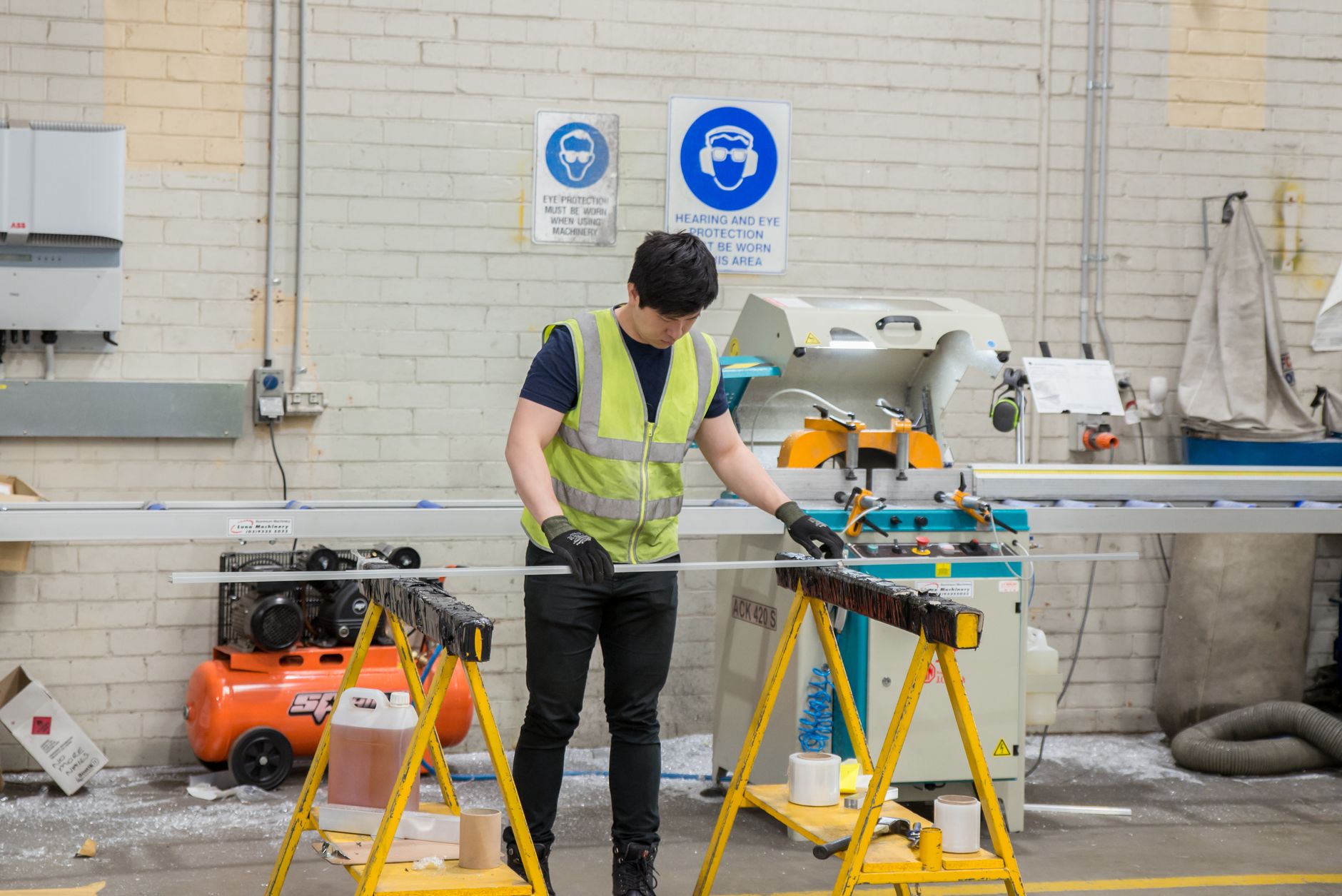
Workplace safety in Australian manufacturing is non-negotiable. Whether you’re managing a busy production floor in Western Sydney, overseeing a large-scale food processing facility in regional Victoria, or running a fabrication workshop in Brisbane’s industrial corridor, getting your safety signage right is one of the most critical investments you can make. But here’s something many facility managers overlook: safety signs don’t have to be purely functional. Promotional safety signs for manufacturing plants combine clear hazard communication with brand identity — and when done well, they reinforce a professional, safety-first culture that employees, visitors, and auditors all take seriously. This guide walks you through everything you need to know about ordering custom safety signage for Australian manufacturing environments.
What Are Promotional Safety Signs for Manufacturing Plants?
Before diving into the ordering process, it’s worth clarifying what we mean by “promotional” in this context. Promotional safety signs aren’t about advertising a product or service — they’re about customising safety messaging to reflect your organisation’s branding, specific hazard profile, and workplace culture. Think of it as taking a standard “Wear PPE Beyond This Point” sign and replacing the generic design with your company logo, your brand colour palette, and a message written in language that matches your internal safety protocols.
In Australian manufacturing environments, this approach serves several purposes. First, it professionalises your facility. Branded signage throughout a plant signals to visitors, clients, and auditors that you take workplace safety seriously. Second, it improves compliance. Employees are more likely to notice and act on signs that look intentional and consistent, rather than an assortment of generic yellow-and-black placards from a hardware store. Third, it strengthens your overall safety culture — and in manufacturing, culture is everything.
Promotional safety signs can include a wide range of products:
- Floor marking signs and decals for pedestrian walkways, forklift zones, and machine boundaries
- Wall-mounted rigid signs in aluminium, PVC, or polypropylene for wet, outdoor, or high-traffic areas
- Retractable banner stands for temporary safety messaging in high-visibility areas
- Custom safety posters for break rooms, locker areas, and training spaces
- Site entry signs with plant-specific induction information
- Window and door decals for restricted access points
Each of these serves a different function within your facility, and the right mix depends on your plant’s layout, workflow, and risk profile.
Australian Compliance Standards for Safety Signage
One of the most important considerations when ordering promotional safety signs for manufacturing plants in Australia is compliance with the relevant standards. The key reference point here is AS 1319-1994, which is the Australian Standard for Safety Signs for the Occupational Environment. This standard governs the design, colour coding, and symbol use for signs covering prohibition, warning, mandatory action, emergency information, and fire safety.
When you’re working with a branded merchandise or signage supplier, it’s essential to confirm they understand and follow these requirements. A custom safety sign with your logo looks great — but if it uses the wrong colour code for the hazard category or omits a required safety symbol, it could create compliance issues during a WorkSafe audit.
Key colour standards under AS 1319 include:
- Red: Prohibition signs (e.g., “No Entry”, “No Smoking”)
- Yellow/Amber: Caution and warning signs
- Blue: Mandatory action signs (e.g., “Hard Hat Must Be Worn”)
- Green: Emergency and first aid signs
- White/Black: General information and instruction signs
Reputable suppliers who specialise in workplace signage will be familiar with these requirements and can help ensure your branded designs remain compliant. If you’re also ordering branded workwear or PPE to accompany your signage program, you might find our guide to hi-vis workwear for Australian workplaces a useful read alongside this one.
Choosing the Right Materials for a Manufacturing Environment
Not all signage materials are created equal, and in a manufacturing plant, the environment can be incredibly demanding. Heat, chemical exposure, moisture, forklift vibration, UV light from skylights or outdoor areas — these all affect how long a sign will last and whether it remains legible and compliant over time.
Rigid Sign Substrates
For permanent, wall-mounted signs in manufacturing environments, the most common material choices are:
- Aluminium composite (e.g., Dibond): Excellent rigidity and corrosion resistance; ideal for outdoor or high-humidity areas like food processing plants or chemical storage zones. Can be printed with UV-stable inks and is suitable for coastal facilities in places like Darwin or Townsville.
- Polypropylene (PP) board: Lightweight, moisture-resistant, and cost-effective. A solid choice for indoor manufacturing areas with moderate exposure.
- PVC foam board: Smooth surface for crisp print quality; better suited to dry indoor environments and office-adjacent areas like reception entries or safety bulletin boards.
- Stainless steel: Premium option for pharmaceutical manufacturing or food-grade environments where surfaces need to be wipeable and non-porous.
Decals and Floor Markings
For floor graphics and machine boundary markers, self-adhesive vinyl is the go-to choice. Anti-slip laminates are essential for floor applications to meet slip resistance requirements. Heavy-duty floor decals with anti-slip overlaminates are a popular choice for forklift zone demarcation and pedestrian safety lanes.
Temporary Signage
For safety inductions, maintenance shutdown periods, or temporary hazard zones, retractable banner stands and corflute signs offer flexibility. These are particularly useful when your facility’s layout changes seasonally or for major equipment installations.
Decoration Methods: Printing Your Safety Signage
The decoration method used for your promotional safety signs will influence both their visual quality and longevity. Here’s a breakdown of the most common options:
- Digital UV printing: The most versatile option for full-colour safety signs. UV-cured inks are highly durable and resistant to fading, chemicals, and abrasion. Ideal for complex branded designs that include logos, custom text, and AS 1319-compliant colour fields.
- Screen printing: Better suited to large runs of simple, bold designs with limited colours. Cost-effective at scale but less flexible for complex artwork or small batches.
- Laser engraving: Excellent for premium metal or laminated signs in areas like control rooms, machine labels, or asset identification tags. The engraved finish is permanent and highly resistant to wear.
- Vinyl cutting: Used for lettering, logos, and simple graphic elements applied to rigid substrates. A cost-effective approach for straightforward signs.
For most manufacturing plant signage programs, digital UV printing on a rigid aluminium or polypropylene substrate will deliver the best balance of quality, compliance, and longevity. You can also pair your safety signs with other branded safety products — see our overview of branded PPE and safety products for inspiration.
Minimum Order Quantities, Lead Times, and Budgeting
Understanding the practical logistics of ordering promotional safety signs for manufacturing plants in Australia helps you plan your rollout effectively.
Minimum Order Quantities (MOQs)
MOQs vary significantly depending on the product type and decoration method. For digital UV printing on rigid substrates, many suppliers work with runs as low as 1–10 units, making it practical to order a small set of site-specific signs without committing to large quantities. Screen-printed signs typically have higher MOQs — often 25 to 50 units — and are better suited to standardised messaging that you need in bulk across multiple locations.
Turnaround Times
For a manufacturing plant in Adelaide or Perth, standard production and delivery for a custom signage order of 20–50 signs typically runs between 5 and 15 business days, depending on artwork complexity and whether samples or proofs need approval. If you’re in a time-sensitive situation — say, preparing for an upcoming facility audit or a major client visit — it’s worth asking your supplier about rush production options. Always request a digital proof before approving final production, particularly for compliance-critical signage.
Budgeting Your Signage Program
Costs vary widely based on size, material, quantity, and complexity. As a rough guide for Australian buyers in 2026:
- Small rigid signs (A4-ish, PVC or PP): $8–$20 per unit for small runs
- Medium rigid signs (A3–A2, aluminium): $20–$50 per unit
- Large exterior signs (A0 or custom, aluminium composite): $80–$200+ per unit
- Floor decals with anti-slip laminate: $15–$40 per unit depending on size
Ordering in higher quantities significantly reduces per-unit costs. If you’re managing a multi-site rollout across, say, three manufacturing facilities in Queensland and New South Wales, consolidating your order can unlock meaningful savings.
For broader budgeting context when planning a workplace merchandise and safety program, our guide to budgeting for branded workplace products covers the key considerations in detail.
Making Your Safety Signs Work Harder: Branding and Culture
Beyond compliance, there’s a real opportunity to use safety signage as a vehicle for reinforcing your company’s safety culture and brand identity. Leading manufacturing organisations across Australia are increasingly integrating their corporate identity into their safety communication — not to make it look “prettier,” but to signal that safety is owned by the organisation, not just mandated by a regulator.
Consider including your company’s safety values, slogans, or behavioural safety commitments alongside mandatory compliance messaging. A Canberra-based engineering manufacturer we’ve seen do this well uses signage that combines AS 1319-compliant hazard information with their company’s “Think Safe, Work Safe” cultural messaging — reinforcing that safety is a shared value, not just a rule.
You might also think about how your signage program coordinates with other branded safety assets across your facility:
- Custom branded hard hats and helmets
- Embroidered or printed hi-vis vests and jackets
- Branded safety lanyards and clip holders
- Custom safety induction folders and booklets
For ideas on how workwear and signage can work together, check out our article on building a cohesive branded workwear program and our tips on ordering custom lanyards for industrial environments.
Working With a Supplier: What to Ask Before You Order
Choosing the right supplier for your promotional safety signs is just as important as choosing the right products. Here are the key questions to ask:
- Do you have experience with AS 1319-compliant signage? This is a non-negotiable for any Australian manufacturing environment.
- What file formats do you accept for artwork? Vector files (AI, EPS, PDF) are essential for high-quality print output.
- Do you offer proofing before production? Always get a digital proof, and for complex or compliance-sensitive signs, request a physical sample.
- Can you accommodate site visits or plant-specific assessments? For large facility rollouts, a supplier who can assess your site is invaluable.
- What are your warranty or replacement policies? Outdoor or industrial-grade signs should come with a durability guarantee.
Pairing your safety sign order with other branded merchandise for your plant team is also a smart move. Our guide to ordering branded promotional products in bulk and our overview of the best branded products for industrial workplaces are both worth reading if you’re planning a comprehensive program.
Key Takeaways
Ordering promotional safety signs for manufacturing plants in Australia is a strategic investment in both compliance and workplace culture. Here’s what to keep in mind as you move forward:
- Compliance comes first — ensure all signage aligns with AS 1319-1994 and WorkSafe requirements before focusing on branding aesthetics.
- Match materials to your environment — aluminium composite for wet or outdoor areas, UV-printed polypropylene for most indoor manufacturing zones, anti-slip vinyl for floor applications.
- Digital UV printing offers the best combination of quality, full-colour branding, and durability for most manufacturing plant applications.
- Plan your quantities strategically — consolidating orders across multiple sites reduces per-unit costs significantly and ensures visual consistency.
- Use signage to reinforce safety culture, not just meet minimum standards — branded, professional signage signals that your organisation genuinely values the wellbeing of its people.
A well-executed safety sign program doesn’t just protect your workers — it reflects your organisation’s values, impresses clients and auditors, and contributes to a workplace where people feel their safety genuinely matters.